introduction: this article is based on the theme of "comparing the cost performance of servers rented in different computer rooms in japan" as the theme, and systematically analyzes the key factors that need to be paid attention to when renting servers in different computer rooms in japan. the goal is to help technical decision-makers and operation and maintenance personnel make more appropriate choices of computer rooms and rental types while taking into account performance and cost.
the geographical location of the computer room will directly affect latency and access quality. tokyo (kanto) computer room usually has the lowest delay for domestic and east asian visits; osaka (kansai) has advantages for western japan and some international exports; sapporo, fukuoka and other places are suitable for specific area coverage. the selection should be based on the target user distribution and submarine optical cable access situation assessment.
bandwidth type (shared vs. dedicated), peak bandwidth policy, and upstream carrier determine actual throughput and stability. computer rooms with diversified external export links and good interconnection with major ixs have more advantages in high concurrency or cross-border access. measuring latency and running network tests are necessary early verification methods.
different computer rooms access international traffic through different submarine cables and transfer points, resulting in different performance for mainland china, hong kong or the united states. if the business relies on traffic in a specific direction (for example, for chinese users), the focus should be on measuring the real-time routing and packet loss rate from the computer room to the target area, rather than just looking at the theoretical bandwidth.
the redundancy level of power supply (n+1, 2n, etc.), ups and generator configuration directly affect availability. earthquakes occur frequently in japan, and the seismic design of computer rooms and power emergency response capabilities are also crucial. evaluate sla and historical fault records to help determine long-term stability.
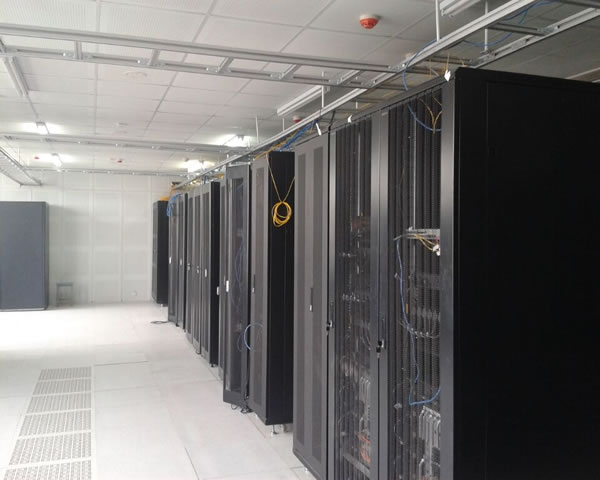
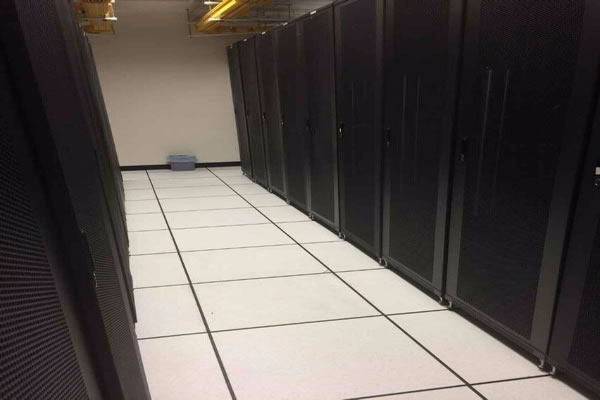
cooling system efficiency, cabinet carrying capacity, and computer room temperature and humidity control affect hardware life and performance. large computer rooms usually have cold aisle/hot aisle designs, refined management and control, and fire suppression systems, which will affect long-term operation and maintenance costs and failure rates.
operation and maintenance response time, whether chinese/english support is provided, on-site engineer qualifications, and whether remote manual operations are supported will all affect the fault handling speed. for critical business, it is recommended to choose a computer room supplier that provides 24/7 noc and clear sla terms.

network and physical security (ddos protection, intrusion detection and access control management) and compliance certification (such as iso27001, local data protection requirements) are hard indicators for enterprise-level leasing. when processing personal information or sensitive data, you should confirm whether the computer room meets relevant legal and regulatory requirements.
when considering future expansion needs, pay attention to the vacant cabinets in the computer room, network port availability, bandwidth upgrade convenience, and whether it supports hybrid deployment (cloud and bare metal). flexible contract terms and fast delivery capabilities can significantly reduce business expansion risks.
when comparing cost-effectiveness, you not only look at rent, but also need to calculate tco: bandwidth costs, cross-region traffic charges, electricity charges, maintenance and support costs, installation and migration costs, etc. combined with sla, latency performance and operation and maintenance requirements, the total cost during the operation cycle is used to evaluate the true price/performance ratio.
conclusion: when conducting an "in-depth comparison of the cost performance of servers rented in japan in different computer rooms", it should be guided by business needs. for those who are sensitive to delays, choose a computer room that is close to the user. for businesses with high stability and compliance requirements, priority is given to computer rooms with mature power and security. it is recommended to conduct a small-scale trial operation and continue monitoring before signing a long-term contract to reduce risks.
- Latest articles
- Common Troubleshooting Steps And Rapid Recovery Solutions For Taiwan Telecom CN2 Broadband
- An Automated Operations And Maintenance Solution Covering Everything From Development To Monitoring How To Build A Site On Hong Kong Cloud Servers
- From A Business Perspective, Is Vietnam's VPS Reliable? Considerations Regarding Compliance And Data Security
- Free Server Korea Security Protection Policy And Backup Implementation Guide
- Cost And Operation Management Recommendations For Enterprises Deploying Korean CN2 Site Cluster Cloud Servers
- Basic Information On Taiwan Proxy Servers, Common Terminology Explanations, And Purchase Precautions
- How To Choose A Cloud Server In Thailand: From Network Latency To After-sales Service, Comprehensive Aspects
- Recommended Recommendations For Operators To Improve Thailand's High-Defense VPS Protection And Bandwidth Stability By Comparison
- Optimized Storage Costs For Hong Kong Hosted Servers, Hard Disk Servers, Layered Storage, And Cold Archiving Solutions
- Are Tencent Cloud Korean Servers Native? Recommendations For Local Service Provider Integration And Latency Optimization
- Popular tags
-
Construction And Optimization Methods Of Japanese Native IP Server
This article discusses how to build and optimize Japanese native IP servers to provide enterprises with efficient network solutions. -
How To Choose The Right Japanese CN2 Node To Improve Network Quality
This article discusses how to choose a suitable Japanese CN2 node to improve network quality and provides users with practical suggestions and techniques. -

Cost Control: Practical Analysis Of Bandwidth And Billing Models For Native Japanese IP Lines
From the perspective of cost control, this article systematically analyzes the bandwidth types and billing models of native IP lines in Japan, and proposes actionable optimization strategies and monitoring recommendations to assist in operational and procurement decisions.